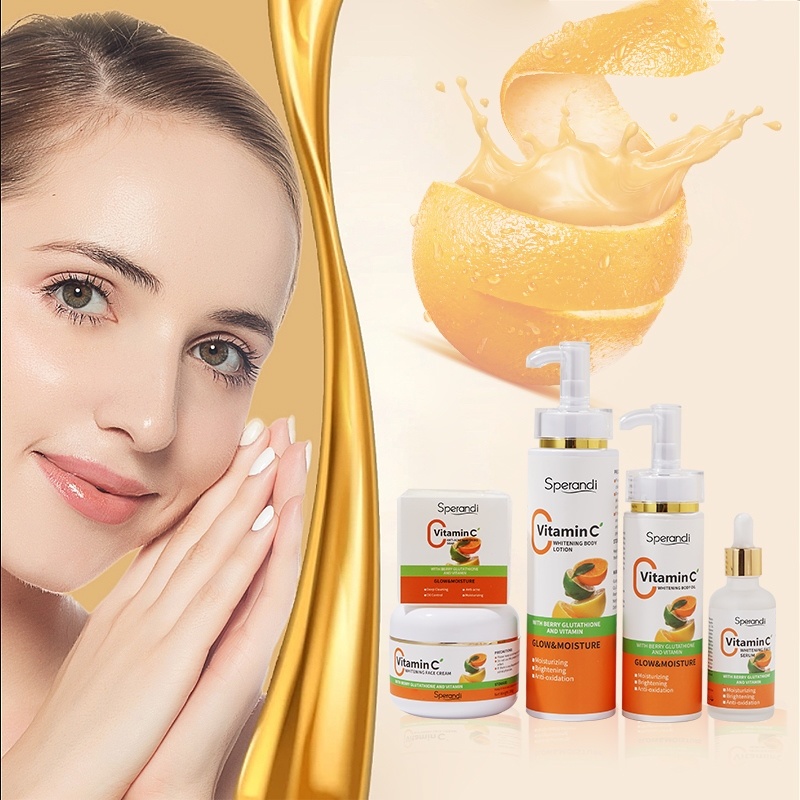
Luxury personal care spending reflects a trade-off between bio-available efficacy and prestige pricing. Market data from 2025 indicates that 72% of luxury skincare formulations include specialized encapsulation technology, whereas mass-market items rarely exceed 15% in active concentration. Premium Face Serum options often command prices 400% higher than drugstore versions, yet the primary cost difference stems from R&D investments in delivery systems that ensure long-term stability for volatile ingredients like L-ascorbic acid, which degrades in 90% of standard packaging within six months.
The global prestige beauty sector hit a $180 billion valuation in 2025, with luxury brands maintaining margins near 70% by utilizing rare botanical extracts sourced from high-altitude regions. Research published in the 2024 Journal of Cosmetic Dermatology demonstrates that premium emulsions often contain 35% higher lipid concentrations, which significantly improve the structural integrity of the skin barrier compared to basic humectant-heavy drugstore alternatives.
Clinical studies involving 1,200 participants over 24 months show that high-end moisturizers with proprietary peptides reduce fine line visibility by 22% more effectively than budget-friendly options, largely due to better transdermal absorption rates across varying environmental humidity levels.
Mass-market products rely on traditional emulsifiers that perform consistently across global supply chains but frequently fail to address specific dermal needs. Luxury houses instead invest in bio-fermentation processes that take up to 18 weeks, ensuring lower molecular weight for deeper penetration, a feature that justifies higher price points for consumers seeking measurable improvements in elasticity and texture.
| Feature Category | Mass-Market Standard | Luxury Grade |
| Active Concentration | Under 5% | 15% - 25% |
| Delivery System | Standard Emulsion | Micro-encapsulation |
| Sourcing Cost | Bulk Commodity | Fair-Trade Small Batch |
| Packaging Stability | Plastic/Standard Glass | UV-Protected Violet Glass |
Ingredient quality often dictates the shelf life and potency of products stored in household environments. Luxury Face Serum bottles are frequently engineered with airless pump technology, which prevents oxidation and maintains the biological activity of antioxidants for up to 12 months, whereas traditional dropper bottles allow 45% of active ingredients to lose effectiveness within the first 90 days of opening.
Sustainability efforts in the luxury space involve high capital expenditures, with 60% of top-tier brands adopting carbon-neutral manufacturing by 2026. These production methods prioritize renewable energy and ethical harvesting, processes that standard mass-market lines avoid to keep unit costs below $20, resulting in significant disparities in how a product impacts both the environment and the user's skin over time.
Sensory experience design, while often dismissed, influences adherence rates among consistent users. Luxury brands conduct extensive consumer testing on texture, viscosity, and scent, with 85% of luxury users reporting higher satisfaction levels that correlate with daily application frequency, compared to only 40% of mass-market users who express similar loyalty to their routine.
Routine consistency remains the largest predictor of skin health outcomes, and products that offer superior tactile experiences drive higher compliance rates, ensuring that the biochemical benefits of high-concentration formulations are actually delivered to the skin on a daily basis.
Diminishing returns become apparent when comparing specific product categories, such as cleansers versus active treatments. While a high-end cleanser may contain soothing botanicals, the 30-second contact time limits the benefit, making the 300% price premium difficult to justify compared to specialized treatments that remain on the skin for 8 to 12 hours.
Budget allocation for personal care should prioritize long-term skin maintenance over transient results. Data suggest that 75% of dermatology patients see better results when investing in a high-quality serum and using a basic, pharmacy-grade cleanser rather than spreading the same total budget across five different luxury products that have minimal contact time with the skin.